How the Village Green Became a Changing Sporting Ground
Village green sport brings matches and everyday recreation together; learn how changing uses, careful planning and respect for local rules help shared space work.
The most common mistake is to assume a village green is simply a public lawn where any game or event can take place. That assumption can lead to conflict, wasted planning and changes that are difficult to undo. Village green sport depends on the particular place: its history, current uses, management and applicable local rules.
What does village green sport mean in practice?
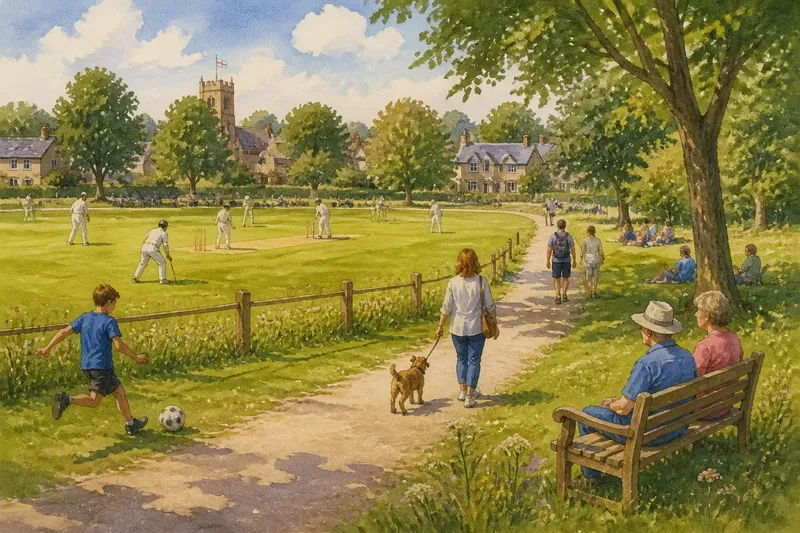
Village green sport describes the mix of organised games and informal play that may take place on open village ground. A cricket match can use one area for a while; at another time, the same ground might be used for a casual kickabout, a walk or a quiet sit in the sun. Its sporting character comes from this changing use, not from one permanent purpose.
The phrase “village green” can also refer to a formal legal status, not merely a familiar-looking patch of grass. The name alone does not establish who may use a particular site, what activities are permitted or whether an event needs approval. Those questions depend on the green and the relevant local arrangements.
Before organising a match, installing equipment or changing the ground, contact the local council or the site’s land manager. Ask what rules apply to that specific proposal and who can confirm them. This is a sensible starting point, not a substitute for advice from a qualified professional if a legal issue arises.
How do casual play and organised games share the ground?
Informal play needs little set-up: perhaps a ball and a clear patch. Children can make up rules as they go, while adults might have a relaxed throw or practise a few strokes. These small moments make the green a sporting place even without a fixture.
Organised games have a different rhythm. Cricket, bowls, football and other local activities may need equipment, a defined playing area and an agreed time. Their boundaries can sit within a wider space still used by walkers and other visitors.
That arrangement can be awkward when a fast-moving game makes a path feel unsafe or a casual kickabout strays into another activity’s playing area. Clear routes, visible boundaries and considerate timing can help, but they do not override site-specific rules. When boundaries or permissions are unclear, check with the responsible body rather than assuming.
Why does the season change how the green is used?
Weather affects what the surface can comfortably support. Dry grass may be suitable for a game that would be difficult on slippery turf. During wet spells, repeated footfall can leave muddy patches, so play may need to pause while the ground recovers.
Daylight also shapes the green’s rhythm. Longer evenings can suit activity after work or school, while darker afternoons may bring play to an earlier close. In colder months, organised sport can pause even as walking and informal play continue when conditions allow.
Mowing, drainage and clear paths influence how the space feels and what it can accommodate. A closely cut area may suit a game, while a less-manicured edge can soften the boundary and provide a different kind of habitat. Decisions about maintenance belong with those responsible for the site, especially where conservation needs or local rules apply.
How can a match fit around everyday village life?
A match affects more than the players. Spectators may gather near the boundary, children may follow the ball, and neighbours may want to use a familiar route. The green becomes a public setting for sport, but the event can make parts of it less convenient for other visitors.
Imagine a village group is considering a relaxed cricket match on a green crossed by a well-used walking route. The group first asks the land manager what applies to the proposed event, then marks a playing area that leaves the route open and plans for spectators to stand clear of it. If the responsible body approves that arrangement, the expected result is a match that remains visible while walkers have a clear way through; if approval is refused or the route cannot be kept open, the group can change the layout, timing or venue.
How can play and conservation coexist?
Sport and nature do not have to be opposing claims on a green. A playing area may need close mowing, while less-used edges can remain more varied. The best balance depends on the site’s condition and the people responsible for its care.
Concentrated activity can wear turf, compact soil or disturb sensitive areas. A land manager might respond by directing play away from a vulnerable patch, changing maintenance or asking users to avoid an area while it recovers. For a proposed change near a habitat or protected feature, seek guidance from the relevant land manager or a qualified conservation professional.
Signs and mowing patterns can help show where play is welcome without turning the entire space into a fenced sports ground. They should reflect actual site arrangements, not imply permissions that have not been confirmed.
What do people ask about village green sport?
Can anyone play sport on a village green?
Not necessarily. Access and permitted activities depend on the particular site and its local arrangements, so check signs or ask the council or land manager if you are unsure.
Which sports suit a village green?
That depends on the surface, layout and other uses of the ground. Informal games may fit an open area, while an activity needing a specialised surface or fixed equipment may be unsuitable or require further approval.
Can a village green host an event as well as sport?
Do not assume that it can. Ask the responsible body about the proposed event, access arrangements and any conditions before making plans or publicising it.
What should visitors do when a game is under way?
Use open paths, give players and spectators room, and avoid crossing the playing area unless it is clearly safe. Follow local signs, and ask an organiser or site representative where to pass if the route is unclear.
How can a green adapt as village life changes?
A green can serve several purposes without any one activity defining the whole place. A marked playing area may support organised sport, while open margins leave room for walking, informal games and sitting. The right balance will differ from one site to another.
For example, notice where people naturally walk, which patches show wear and where spectators gather. If a proposed bench would obstruct a playing route, consider a different position; if a path is already busy, keep temporary equipment away from it. Before making a physical change, confirm who is responsible for the ground and what approvals apply.
Village green sport is shaped by the relationship between games and shared landscape. When considering a new activity, first establish the site’s rules, then ask whether access and existing uses can still be accommodated. That simple order can prevent a promising idea from becoming a problem for the people who use the green every day.